


Hot Keyword:
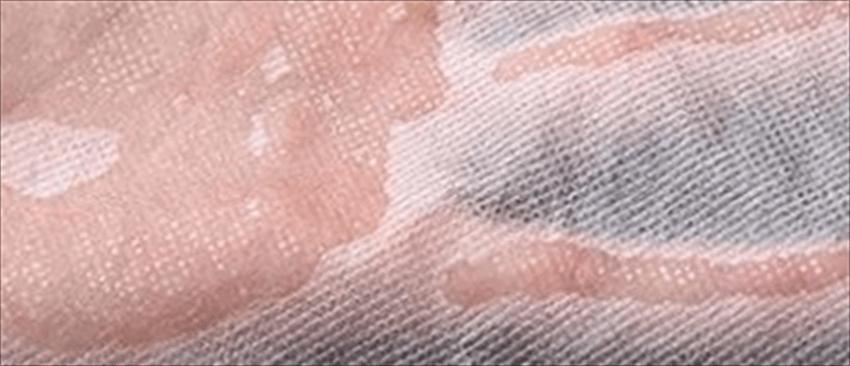
Hydrophilic non woven is now widely used by many manufacturers. What is a hydrophilic non woven fabric? What kind of hydrophilic principle is it? What is the us...
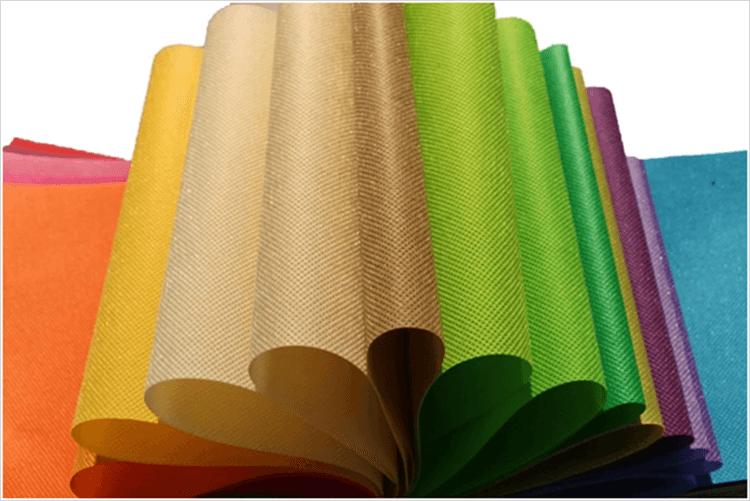
Polypropylene non woven fabric is the most common and common fabric in the non-woven classification. The process is simple, the output is large, the cost is low...
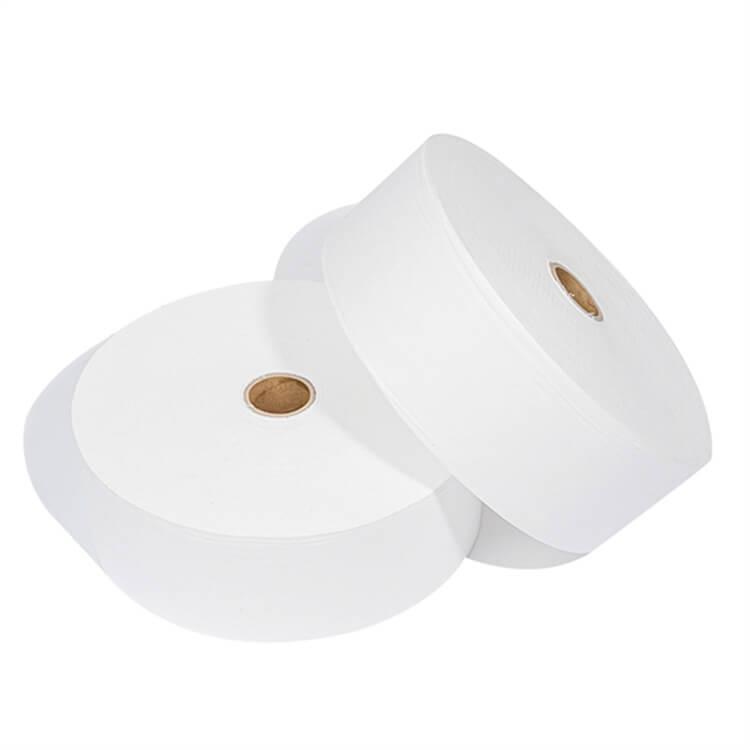
Polyester non woven fabric and polypropylene non woven fabric are the more common types of non woven fabric in life, so what are the differences in their perfor...
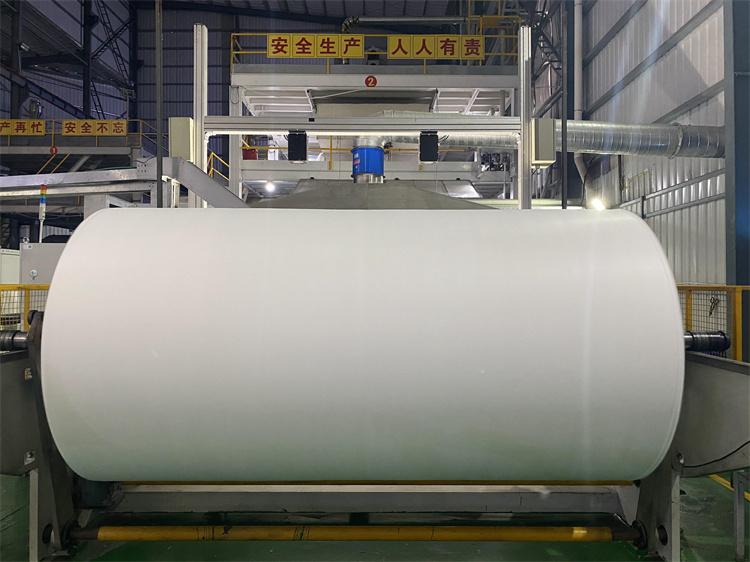
SSS non woven fabric is a kind of non woven fabric. SSS non woven fabric weight and width can be customized. 1.SSS non woven fabric material: polypropylene 2.We...
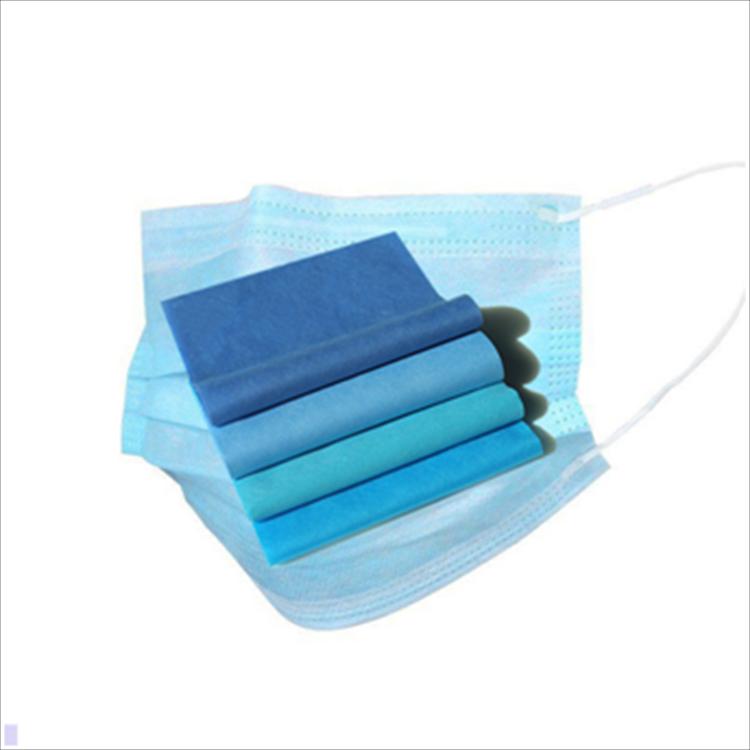
PP spunbond non woven fabric is the most common and common fabric in the non woven classification. The process is simple, the output is large, the cost is low, ...
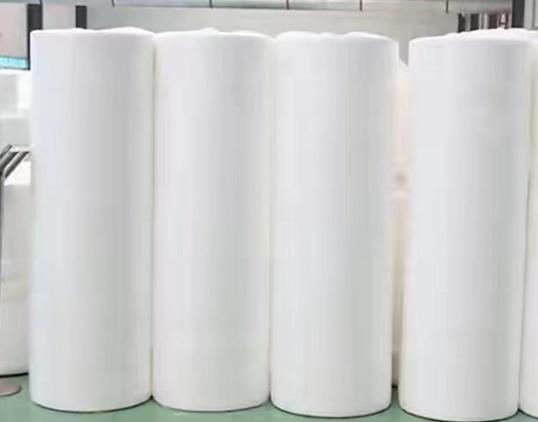
Rising popularity, increasing usage in the medical field, and increasing demand for polypropylene spunbond nonwoven fabric is the key factors driving the rapid ...
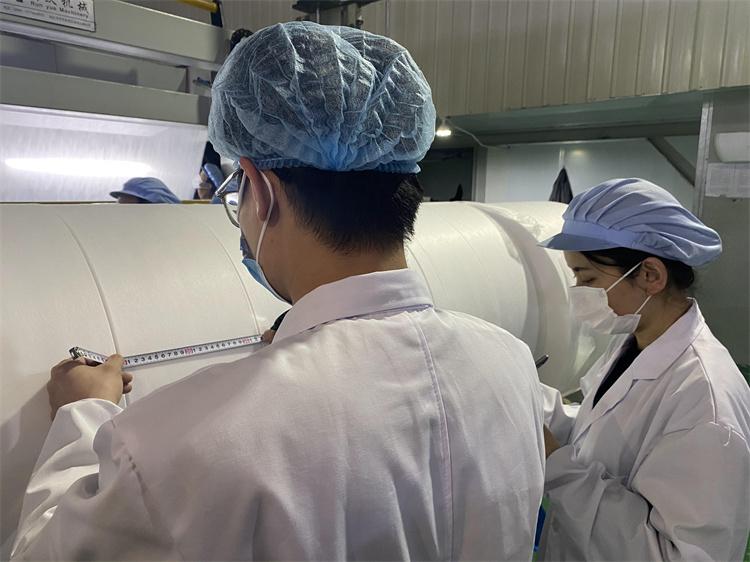
Q.What information do u need for diaper non woven fabric? A:You need to provide us non woven type, basic weight, width, function and quantity. ...
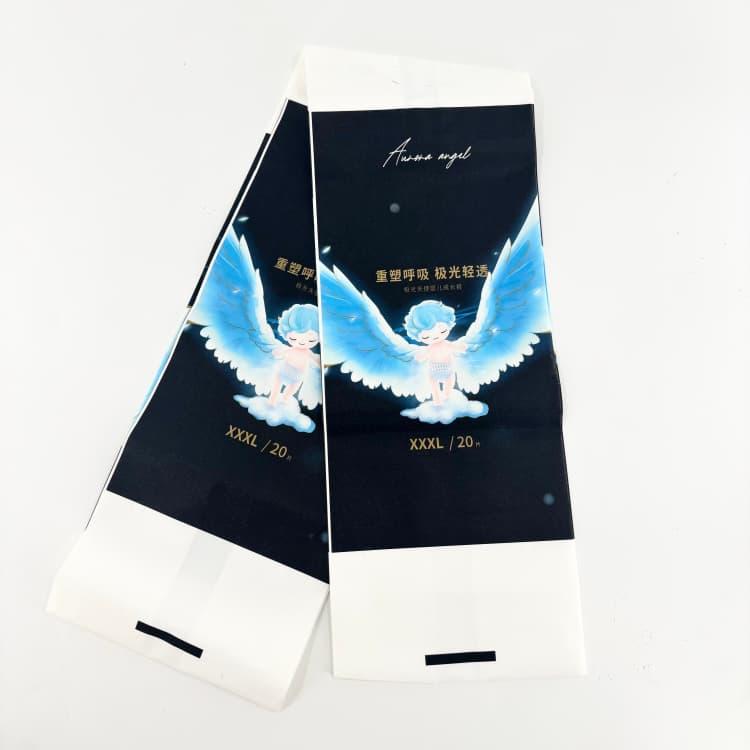
Product Introduction This matte flexible packaging material is manufactured with laminated BOPP and PE film structure, specially designed for premium baby diaper and hygiene product pa...
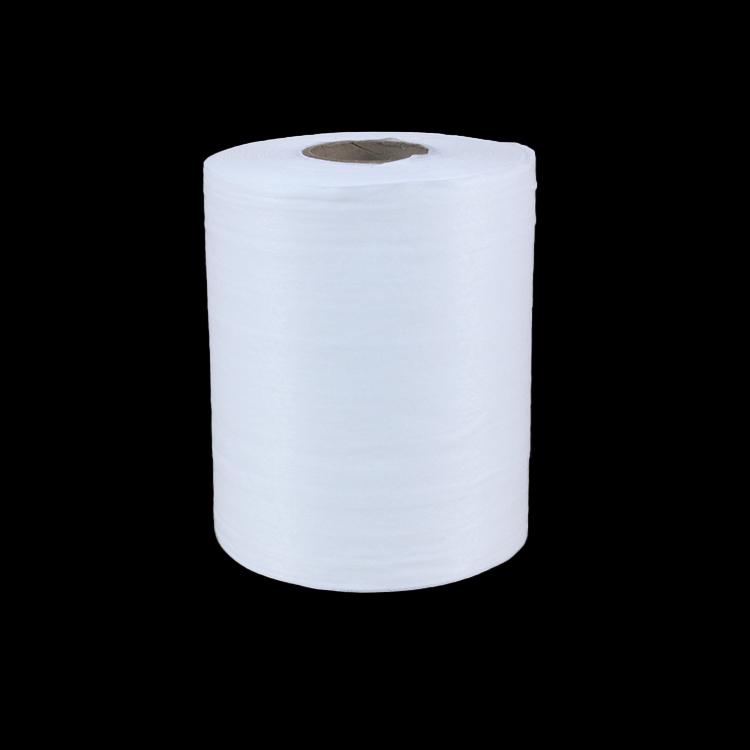
1. Spunlace non woven fabric is made by viscose and polyester. 2.Spunlace non woven fabric can be cross type or parallel type. 3.Spunlace non woven fabric can be plain or dot. 4.Applica...
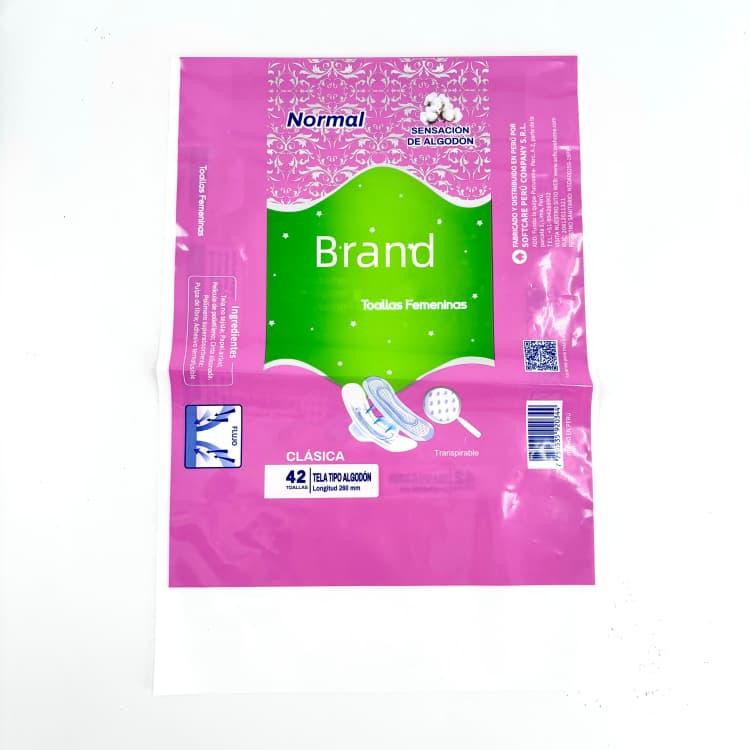
Product Introduction This glossy PE packaging bag is manufactured with milky white PE film structure, combining clean high-gloss appearance with strong sealing performance for hygiene...
Non woven polypropylene can be divided into the following categories according to its use: (1) Medical and health care categories: such as surgical gowns, caps, masks; bed sheets, pi...
According to Japanese media reports, on April 12th, the Ministry of Internal Affairs and Communications of Japan released its latest report stating that as of October 1, 2024, the tota...

 MP/WhatsApp: +86-18050806553
 Manufacturer Address:Juhua Industry Matou Town, Nanan City Fujian Province China