


Hot Keyword:
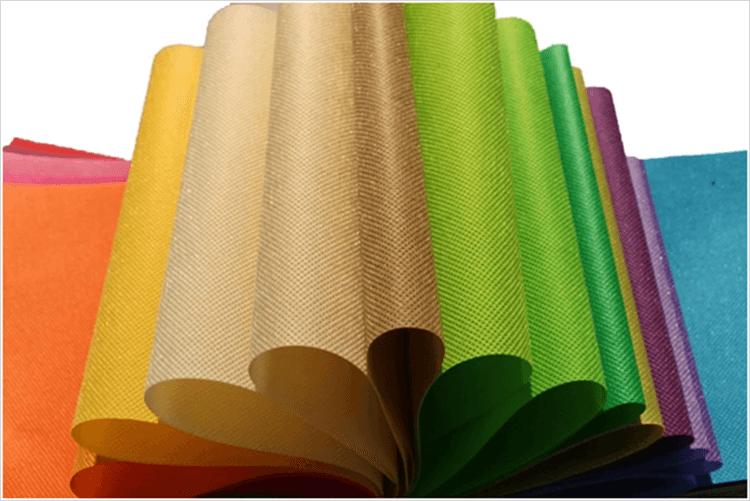
Polypropylene non woven fabric is the most common and common fabric in the non-woven classification. The process is simple, the output is large, the cost is low...
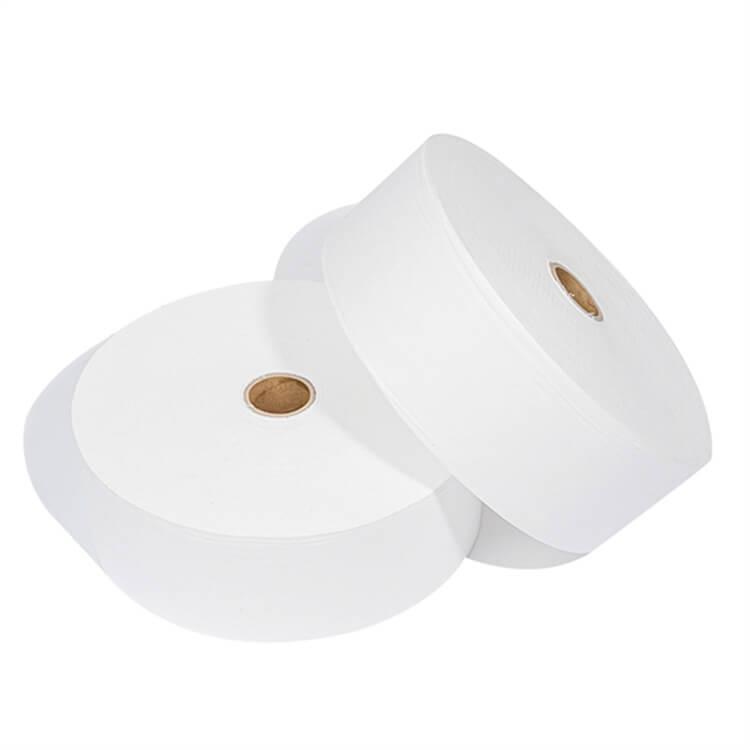
Polyester non woven fabric and polypropylene non woven fabric are the more common types of non woven fabric in life, so what are the differences in their perfor...
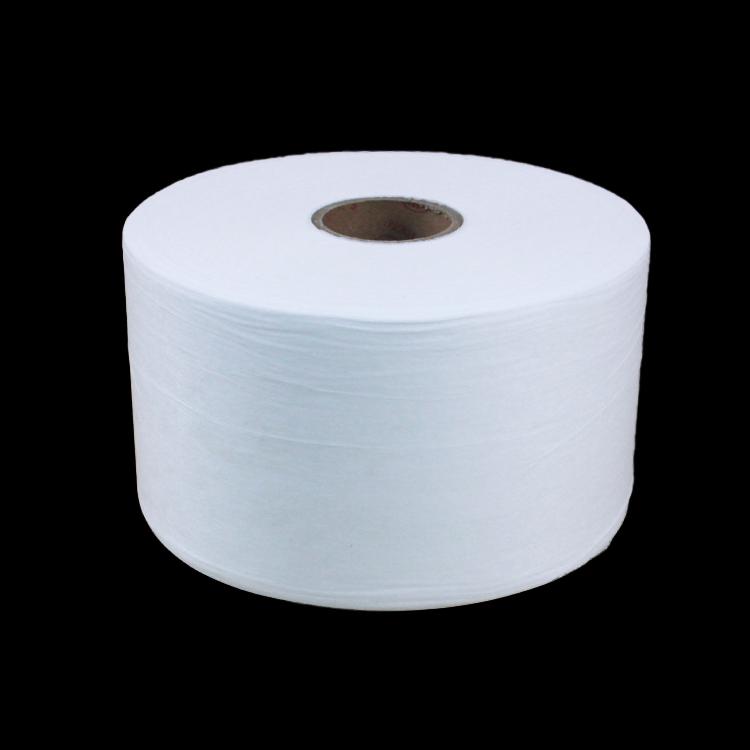
1. Physical properties Polypropylene non woven fabric is a non-toxic, odorless, milky white high-crystalline polymer, which is one of the lightest varieties o...
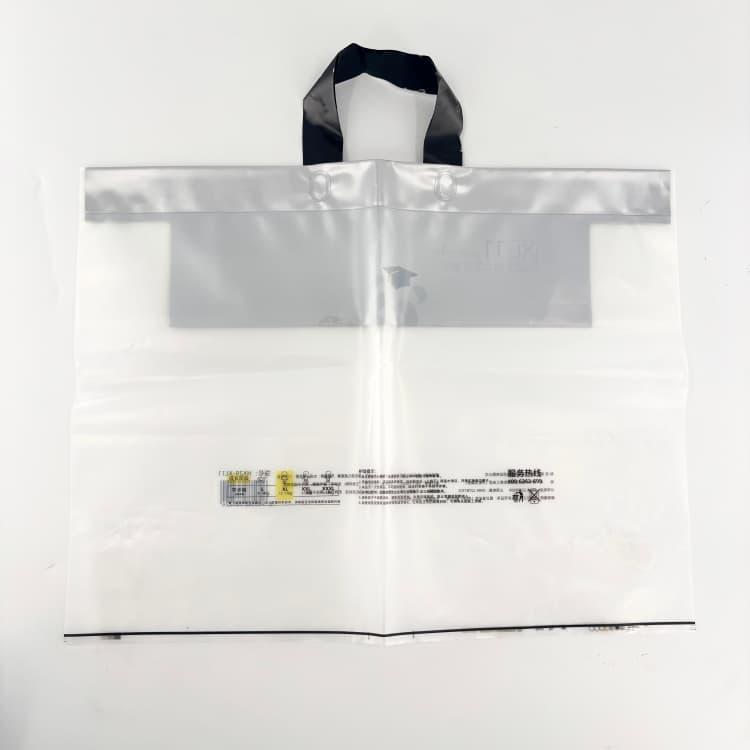
Product Introduction This frosted PE flexible packaging material is manufactured with high-quality co-extruded PE film, featuring a soft matte translucent appearance and durable handl...
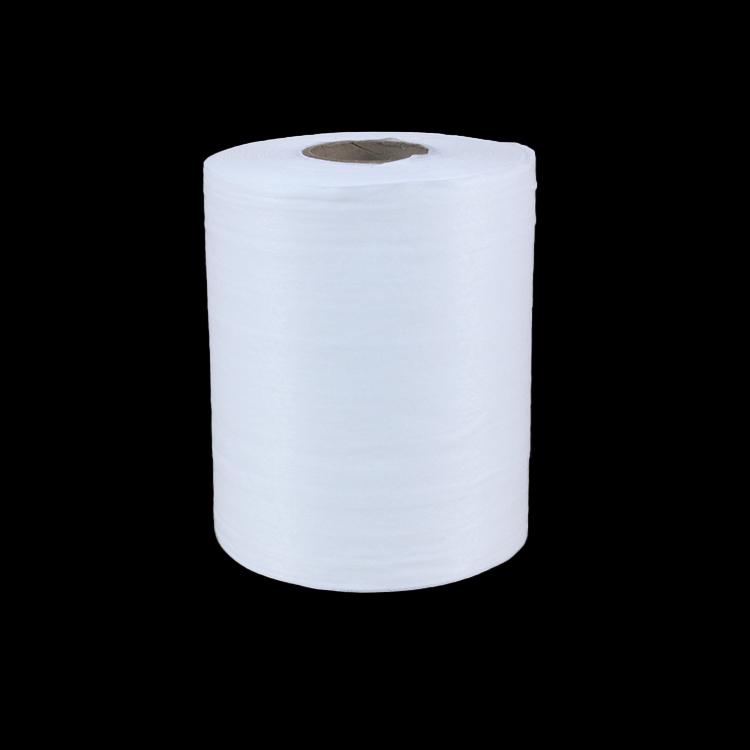
1. Spunlace non woven fabric is made by viscose and polyester. 2.Spunlace non woven fabric can be cross type or parallel type. 3.Spunlace non woven fabric can be plain or dot. 4.Applica...
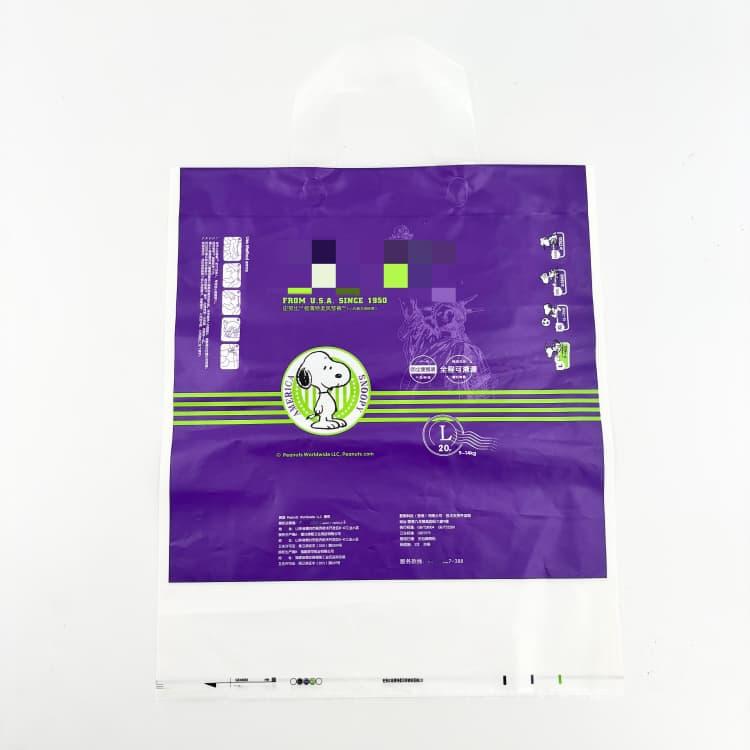
Product Description This is a quintessential example of a composite tote bag designed for fast-moving consumer goods (FMCG) in the maternal and infant sector. Its core material stru...
Introduction: Why SAP Selection Matters Super Absorbent Polymer (SAP) is the core material that determines diaper absorption performance . For diaper manufacturers, OEM factori...
The topsheet is one of the main components of diapers, and it is also a very important part. The surface layer is in direct contact with the baby, so the comfort of the surface layer wi...

 MP/WhatsApp: +86-18050806553
 Manufacturer Address:Juhua Industry Matou Town, Nanan City Fujian Province China