

Hot Keyword:
Author:Baby & Adult Diaper Materials FROM:Diaper Materials Manufacturer TIME:2026-10-12
Carrier tissue should be checked as part of the absorbent core system, not as a loose paper item only. In diaper manufacturing, carrier tissue can influence SAP placement, core wrapping, process cleanliness, roll change stability and finished-product appearance. A buyer who changes carrier tissue should record the current approved material, roll format, storage condition, line behavior and finished-diaper result before approving bulk orders. The goal is to confirm that the tissue supports the buyer's core design under real production conditions.
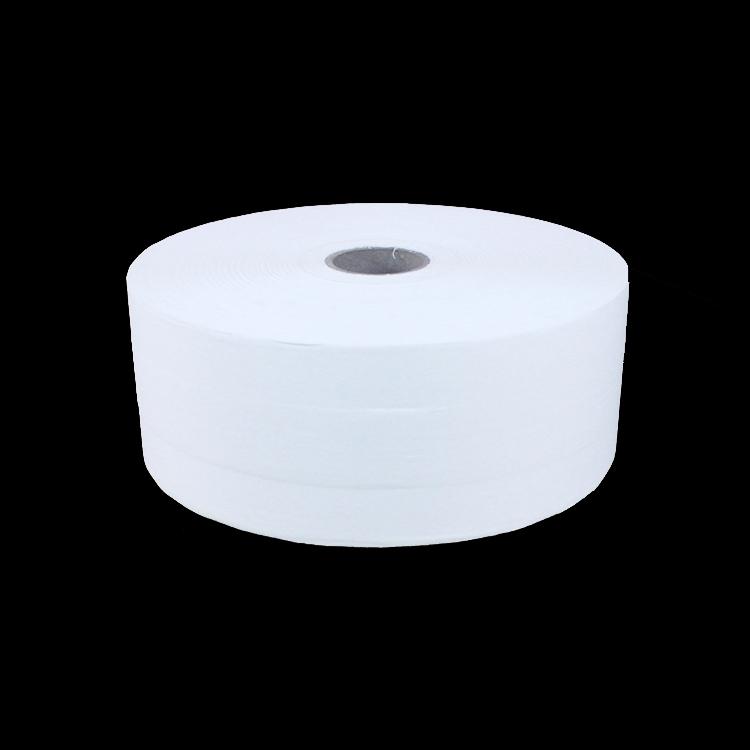
Carrier tissue, also called SAP paper in some purchasing contexts, is used around or within the absorbent core area of hygiene products. It may support SAP distribution, help keep core materials organized and provide a process interface during production. The exact role depends on the product design, core structure and machine process. Because of that, carrier tissue should not be approved only by appearance or by a single roll sample.
The important question for buyers is whether the carrier tissue works with the actual fluff pulp, SAP, core wrap, topsheet, ADL, backsheet and production process. A tissue that looks clean and flat may still create breaks, dust, poor wrapping, unstable SAP placement or finished-product appearance problems on the line. A tissue that runs well on one product size may not behave the same way on another size or core design.
JUHUA lists carrier tissue and SAP paper related materials within its diaper raw material range. Buyers can use the product page as a starting point, then confirm the exact roll specification, sample document and trial condition before approval.
The first step is to define where the carrier tissue will be used. Some factories use carrier tissue to support SAP placement. Others use it as part of a wrapped core, an absorbent layer or a transfer layer in a specific design. The same material name may not describe the same function in every factory. Buyers should therefore record the application position before comparing samples.
The application record should include product type, product size, core design, target layer position and whether the material is being compared with an approved reference. If the trial is for baby diapers, adult diapers or another absorbent product, the record should say so clearly. A carrier tissue trial for a light baby diaper design is not automatically valid for a heavier adult incontinence product.
The buyer should also define the approval goal. The team may want more stable SAP placement, fewer breaks, cleaner unwinding, better wrapping, smoother appearance or a second supply option. A clear goal prevents the trial from becoming a vague discussion about whether the tissue is "good." The result should be judged against a known purpose.
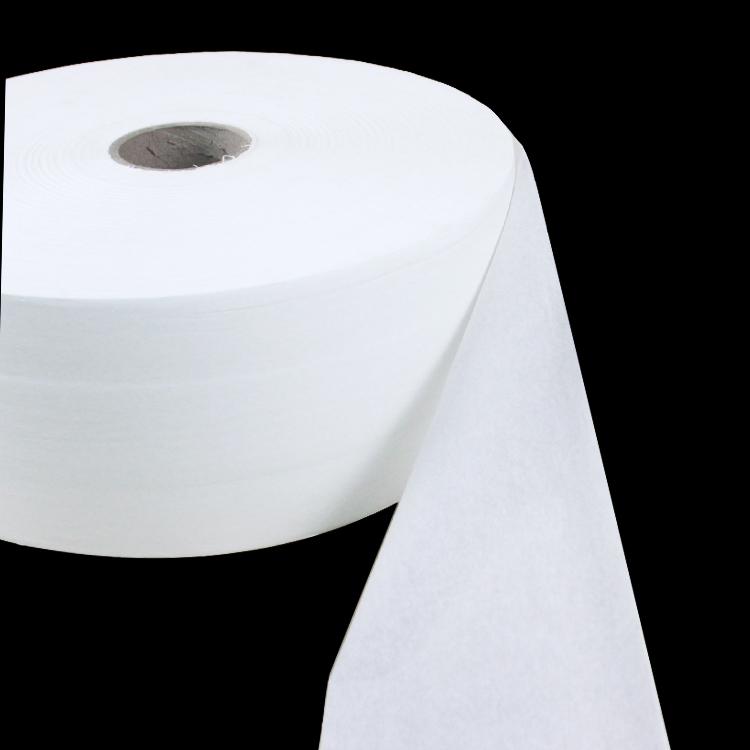
Carrier tissue is normally supplied as roll material, so roll format is part of the trial. Buyers should record width, roll outside diameter, paper core size, winding direction, roll edge condition, splice condition, label information and packing condition. These details matter because the tissue must unwind, feed and remain stable during production.
Roll width should be checked against the core design and machine path. A small width difference may affect wrapping, trimming, edge exposure or material overlap. Paper core condition can also affect mounting and unwinding. If the roll is not straight or the edge is damaged, the line trial may show instability that is not caused by the tissue structure itself.
Receiving condition should be part of the same record. Buyers should note whether the carton, wrapping, pallet and roll surface are clean and dry. Carrier tissue can be affected by moisture, compression, dust and poor handling. If the receiving condition is not recorded, later quality discussions may confuse supplier variation with storage or transport damage.

GSM, thickness and tensile data are useful, but they should be read in the correct context. GSM describes basis weight, not thickness. Thickness describes caliper under a stated method or pressure, not total strength. Tensile data can help compare machine direction and cross direction strength, but the test method, sample condition and unit must be clear.
Buyers should avoid ranking carrier tissue samples from one number alone. A higher GSM may not automatically mean better line performance. A thinner tissue may not automatically mean lower quality. The correct choice depends on core structure, process tension, target product feel, wrapping requirement and finished-product performance. The trial should compare data and line behavior together.
If the supplier provides a document package, the buyer should match it to the actual sample. Useful documents may include a specification sheet, COA, packing information and sample label. The document should state the relevant material identity and batch or sample reference. A document for a similar tissue family is not enough if the actual trial sample is different.
Carrier tissue should help the absorbent core remain controlled during production. During a trial, the team should watch whether SAP placement remains even, whether the tissue supports the intended wrapping path and whether core materials stay inside the expected area. The observation should be made under the buyer's own product design, not only from a small flat sample.
When SAP placement changes, the team should not blame the tissue too quickly. SAP particle size, dosing system, airflow, pulp condition, static, machine setting and storage condition can all influence placement. A useful trial record separates what was observed from the suspected reason. For example, "SAP scatter increased near the edge" is an observation; the cause still needs evidence.
The trial should also compare the current approved material and the proposed carrier tissue under similar conditions. If the team changes both SAP and carrier tissue at the same time, it becomes difficult to know which material caused the difference. When multiple materials must change together, the record should state that the trial is a combined-material evaluation.
Line cleanliness is a practical part of carrier tissue approval. Buyers should ask production teams to record dust, fiber shedding, breaks, edge tearing, wrinkle formation and cleaning needs during the trial. These issues can affect uptime and finished-product appearance even if the roll specification looks acceptable on paper.
Breaks should be described carefully. A break may be linked to tissue strength, roll damage, tension setting, splice quality, moisture condition, knife condition or machine path. The trial record should include where the break occurred, how often it happened and whether the same issue appeared with the current approved material. This makes the discussion more useful than a simple pass or fail comment.
Cleanliness also affects downstream evaluation. If tissue dust collects in the core area or around machine parts, it may change the appearance of the product or increase cleaning time. Buyers should include operator comments because operators often notice feeding and cleaning differences before they appear in a formal report.
A carrier tissue trial should end with finished-product checks. Buyers should inspect core appearance, material distribution, edge condition, product thickness, folding, packaging and any visible defects. If the factory has internal absorption or rewet checks, the sample condition and method should be recorded. The tissue alone should not be treated as proof of finished diaper absorption.
The finished diaper result depends on the whole absorbent system. Fluff pulp, SAP, ADL, topsheet, backsheet and production consistency all matter. Carrier tissue may support the structure, but it does not work alone. For this reason, buyers should avoid claims such as "this tissue guarantees better absorption" unless the finished product has been tested under controlled conditions.
Product size should also be recorded. A carrier tissue approved for one size may need another check for a larger or heavier product. If the same tissue will be used across a size range, the approval should state which sizes were tested and which sizes still need confirmation.
Buyers can use the following checklist before approving carrier tissue for bulk purchase.
One common mistake is treating carrier tissue and SAP as the same purchasing question. SAP is the absorbent polymer, while carrier tissue is a supporting paper material used in the core structure. The two materials interact, but they should not be described as the same material. Buyers should record each material identity separately.
A second mistake is approving a tissue from a small hand sample only. Hand inspection can show appearance, softness and obvious defects, but it cannot confirm roll stability, tension behavior, wrapping performance or finished-product results. A line trial is needed when the material will be used in production.
A third mistake is comparing price without roll and waste details. A lower unit price may not reduce total cost if the tissue creates more breaks, trimming loss, cleaning time or rejects. Buyers should compare usable roll condition, production stability and finished-product quality together with quotation scope.
No. SAP is the absorbent polymer. Carrier tissue is a paper material that may support SAP placement or absorbent core construction. They are related in the core system, but they are not the same material.
No. A flat sample can support first screening, but approval should include roll format, receiving condition, line behavior, core wrapping and finished-product checks.
Buyers usually compare material identity, GSM, thickness, width, roll format, strength data, packing condition and document package. The exact priority depends on the product design and trial goal.
Breaks can come from tissue strength, roll damage, moisture, tension setting, splice quality, cutting condition or machine path. The trial record should describe where and when the break occurs before assigning the cause.
No. Finished absorption depends on the full absorbent system, including SAP, fluff pulp, core design, ADL, topsheet, backsheet and production consistency. Carrier tissue should be evaluated within that system.
Carrier tissue approval should be based on a recorded trial, not only on product appearance or a single specification number. Buyers should confirm the application position, roll format, document package, GSM and thickness context, line behavior, SAP placement, core wrapping and finished-diaper results. A clear carrier tissue record helps diaper manufacturers compare samples fairly and approve materials that fit the real core design and production process.

 MP/WhatsApp: +86-18050806553
 Manufacturer Address:Juhua Industry Matou Town, Nanan City Fujian Province China