

Hot Keyword:
Author:Baby & Adult Diaper Materials FROM:Diaper Materials Manufacturer TIME:2026-10-10
Side tape compatibility should be checked with the actual frontal tape, diaper chassis and packing process before a buyer approves a new tape material. A side tape sample may look acceptable on the roll, but the final decision depends on how it peels, refastens, holds, releases and stays clean during production and finished-diaper handling. For diaper manufacturers, the safest trial is not only a tape test. It is a recorded comparison between the current approved combination and the proposed side tape under the same product conditions.
Contents
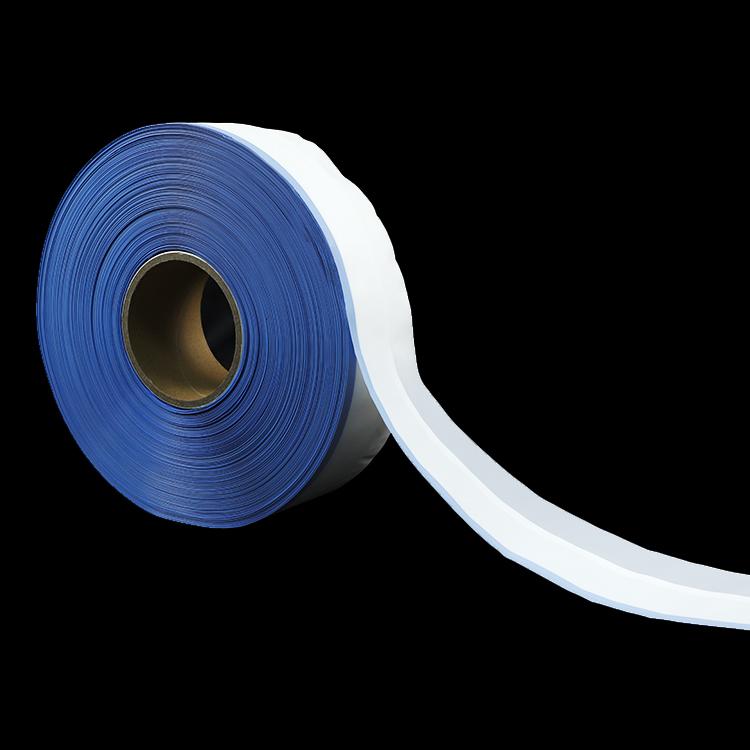
Side tape is a fastening material used on baby diapers, adult diapers and related absorbent products. It must work together with the frontal tape, nonwoven layer, backsheet area, elastic structure and packing method. A change in side tape can affect fastening feel, refastening performance, appearance and user handling even when the material width and roll format appear similar.
The main purchasing question is not whether a side tape is strong in isolation. The better question is whether the side tape is compatible with the buyer's exact diaper design and frontal tape surface. A tape that performs well on one loop surface may feel too aggressive, too weak or difficult to reposition on another surface. The trial should therefore compare the full fastening pair, not only the tape roll.
JUHUA lists side tape as part of its diaper raw material range. Buyers can use the side tape material page as a starting point, then confirm the exact sample, roll format, document package and application requirements before approval.
A side tape trial should begin with a reference combination. The reference is the current approved side tape, frontal tape, diaper size, application position and finished product design. Without this baseline, a trial result is hard to interpret because the team may not know whether a difference comes from the new tape, the frontal tape, machine setting or product construction.
The reference record should include the current material names, sample dates, roll widths, roll direction, core size, storage condition and production line used for comparison. It should also record the trial goal. Some factories test a new side tape to improve fastening feel. Others may want a more stable supply option, a different visual appearance, better refastening behavior or a better match with a new frontal tape.
The trial goal matters because the same result may be acceptable or unacceptable depending on the purpose. If the goal is a softer hand feel, the team should still confirm holding strength and user handling. If the goal is stronger fastening, the team should also check whether the tape is too difficult to release, whether it damages the frontal surface or whether it creates user complaints during refastening.
Before running a line trial, buyers should confirm the exact side tape identity. The sample label should match the supplier record, quotation and any technical document. A vague description such as "same side tape" is not enough for approval because side tape materials may differ in base film or nonwoven, adhesive system, release performance, tab design, print or surface treatment.
Roll format should be checked as a practical production interface. Important details include roll width, roll outside diameter, paper core, winding direction, edge condition, splice condition, label information and packing condition. These details affect unwinding, feeding, cutting, positioning and operator handling. They also help the purchasing and production teams trace differences if a trial result changes from one batch to another.
Buyers should also ask which documents are available for the exact sample. The useful package may include a product specification, packing information, sample identification, batch record and any agreed test report. The document package should be tied to the sample that will actually enter the trial, not to a different material family or older sample.
Side tape approval often depends on several behaviors that should be recorded separately. Peel behavior describes how the tape releases from its temporary position or release area. Refasten behavior describes whether the tape can be opened and closed again on the frontal tape surface without losing too much function. Holding behavior describes whether the fastening pair remains stable under the buyer's own product and test conditions.
These behaviors should not be merged into one word such as "good" or "bad." A side tape may hold strongly but feel too harsh when opened. Another sample may be easy to refasten but too weak for the target product size. A third sample may work well at the beginning of production but collect fibers, dust or adhesive contamination after repeated handling. Recording each behavior separately helps the buyer make a fair decision.
Test conditions must match when comparing samples. The team should use the same frontal tape, same sample age, same storage condition, same diaper size and same method of applying and removing the tape. If the factory has internal peel or holding tests, the method and condition should be written in the trial record. If the team relies on practical handling review, the reviewers and acceptance comments should still be documented.
A side tape that looks acceptable by hand still needs a line trial. During production, the tape must unwind smoothly, feed consistently, cut cleanly and land in the correct position. Operators should record whether the roll runs straight, whether edges curl, whether splices pass normally, whether adhesive transfers to equipment and whether the tape position stays stable during speed changes.
Application stability should also be compared with the current approved material. If the new side tape requires different settings, the change should be written down. A material can still be approved after a setting adjustment, but the decision should not hide the adjustment. Future purchasing, quality and production teams need to know whether the approved result depends on a specific machine setting, storage condition or frontal tape combination.
Line trial notes should avoid blaming the material too quickly. Position shift, cutting problems or release difficulty may come from roll condition, storage, machine setting, blade condition, static, humidity, tape construction or the matching frontal tape. A useful trial record separates the observed problem from the suspected cause until the team has enough evidence.
The finished diaper check should confirm more than initial attachment. Buyers should inspect appearance, tab position, fastening feel, refastening behavior, holding after handling, packing compression and end-user opening experience. Some side tape issues only appear after the diaper is folded, packed or stored. A tape that is acceptable on a flat sample may behave differently after compression in a bag.
Finished-product inspection should include the target product sizes. A side tape that works for a smaller size may not give the same user experience on a larger waist range or heavier adult product. If the buyer plans to use the same tape across multiple sizes, each relevant size should be checked or the approval should clearly state the size range that was tested.
Packaging observations are also useful. Buyers should record whether the tape remains clean, whether it catches unintended surfaces, whether the tab stays in the intended position and whether the finished product appearance is acceptable after compression. These checks help avoid approving a material that works in a short open trial but creates practical issues after packing.
Before approving a new side tape, buyers can use the following checklist to keep the comparison controlled and traceable.
One common mistake is testing side tape on a random surface instead of the actual frontal tape. This can create a misleading result because different surfaces may change peel, holding and refastening behavior. The buyer should test the real material pair or clearly state that the test is only a preliminary screening.
A second mistake is approving a sample without recording line conditions. If the production team changes tension, cutting, placement or speed during the trial, those changes should be part of the approval record. Otherwise a later batch may be rejected even though the original approval depended on settings that were never documented.
A third mistake is using price as the only comparison. Side tape cost should be evaluated with usable roll length, waste, trial stability, finished-product quality and complaint risk. A cheaper tape may not be cheaper if it increases downtime, rejects or packing problems. A more expensive sample may also be unnecessary if it adds performance that the product does not need. The trial record should help the buyer see the real tradeoff.
No. Side tape should be checked with the actual frontal tape or intended fastening surface. A separate tape sample can support screening, but it cannot prove finished-diaper compatibility by itself.
Buyers should record the current approved material, new sample identity, roll format, frontal tape combination, line trial conditions, peel and refasten behavior, finished-product checks and final approval decision.
No. Strong holding can be useful, but overly aggressive fastening may reduce comfort, make opening difficult, damage the frontal surface or create handling complaints. The correct level depends on the diaper design and target use.
Not automatically. The same side tape may be suitable for several sizes, but the buyer should confirm the tested size range. Larger products, different waist designs and different packing compression can change the result.
Hand testing does not reproduce unwinding, cutting, positioning, tension, speed, static, storage condition and packing compression. A line trial is needed to confirm whether the roll format and material behavior fit the production process.
Side tape approval should be based on a controlled compatibility trial, not only on the appearance of a tape roll. Buyers should define the reference combination, confirm material identity, check roll format, test the actual frontal tape pairing, record peel and refasten behavior, observe line stability and inspect finished diapers after packing. A clear trial record helps diaper manufacturers compare side tape samples fairly and approve only the combinations that fit their own product design and production conditions.

 MP/WhatsApp: +86-18050806553
 Manufacturer Address:Juhua Industry Matou Town, Nanan City Fujian Province China