

Hot Keyword:
Author:Baby & Adult Diaper Materials FROM:Diaper Materials Manufacturer TIME:2026-09-30
SAP grade comparison should start by matching the test conditions, not by choosing the largest absorption number. For diaper and adult incontinence manufacturers, super absorbent polymer affects liquid uptake, retention and core stability, but SAP data cannot be read outside its test method, sample condition and product design. Buyers should compare free swell, retention, absorbency under pressure, particle size, moisture, dust, packaging and batch documents under the same conditions before approving a grade. This article explains which conditions must match when evaluating SAP for hygiene products.
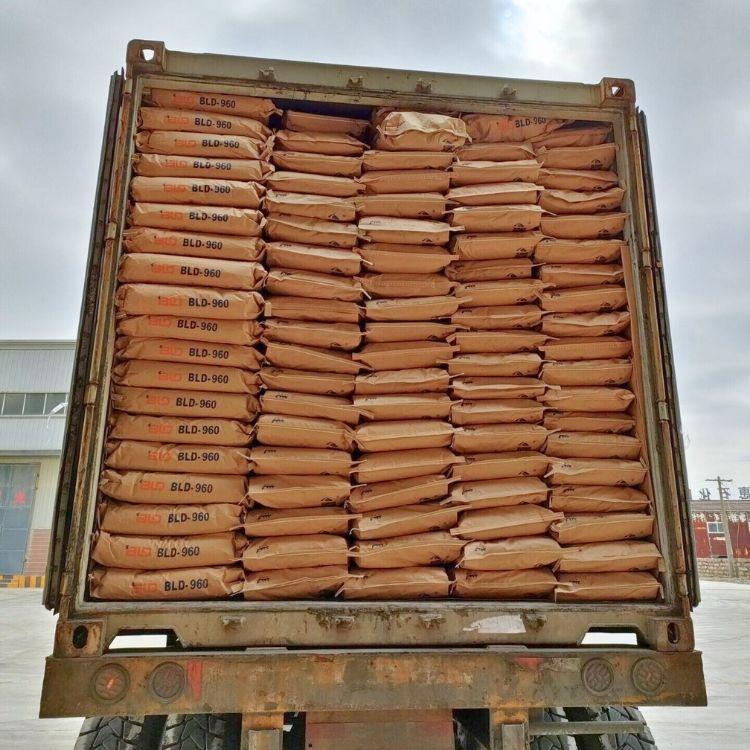
SAP, or super absorbent polymer, is used in absorbent hygiene products to take in and retain liquid inside the absorbent core. In purchasing discussions, buyers may see values for absorption, retention, saline uptake or absorbency under pressure. These values can be useful, but they are not equal unless the test method, liquid type, pressure, time, sample amount and environmental condition are the same.
A high free absorption number does not automatically mean the SAP grade will perform better in a diaper. A diaper core is a structure that combines SAP, fluff pulp or carrier layers, tissue or wrapping materials, ADL, topsheet, backsheet and production settings. Finished-product performance also depends on core distribution, compression, fit and quality control. SAP data should help buyers screen and compare materials, not replace finished-diaper validation.
For procurement, the safest approach is to compare SAP grades under equal conditions and then run sample approval in the intended product design. JUHUA supplies SAP-related diaper raw materials through its SAP category, but buyers should still confirm the exact grade, technical document and test scope for the product they plan to evaluate.
The first question is where the SAP will be used. Baby diapers, adult briefs, pull-up pants, sanitary napkins and other absorbent products can require different core designs and performance priorities. A grade discussed for one application should not be copied into another application without checking the target structure and finished-product requirements.
Buyers should describe the intended product, core design, current material baseline and trial goal before asking for SAP recommendations. If the factory wants faster liquid intake, better retention, lower rewet, improved core stability or cost control, the evaluation plan may be different. Without a clear target, a supplier and buyer may focus on different indicators and reach the wrong conclusion.
The inquiry should also state whether the buyer is developing a new product, replacing an existing grade or comparing suppliers for routine purchasing. Replacement trials are especially sensitive because the new SAP must be compared against the approved baseline under the same product and process conditions.
SAP test results are strongly influenced by the liquid used. Results from deionized water, saline solution or other test liquids should not be treated as the same. Hygiene product comparisons often use saline-related tests because real use conditions are not the same as pure water absorption. If the test liquid is not stated, the buyer should not use the value for grade ranking.
The test method also matters. Different laboratories or suppliers may use different sample weights, test times, filter methods, centrifuge conditions or pressure setups. Even when the indicator name looks familiar, the procedure behind it may vary. Buyers should request the method or at least the key conditions used to generate the value.
When two SAP reports use different conditions, the buyer can still keep them for reference, but they should not be used as a direct ranking. A fair comparison requires the same method or a controlled retest. This is especially important when the purchasing team is making decisions that affect bulk production and finished-product claims.
Free swell or free absorption describes how much liquid SAP can absorb under a defined free condition. Retention describes how much liquid remains after a defined separation or force condition. Absorbency under pressure or similar pressure-related tests describe behavior when the SAP is under load. These indicators answer different questions, so one cannot replace another.
A grade with strong free absorption may not be the best choice if the core needs better retention under pressure. A grade with good pressure performance may still need finished-product checks for liquid distribution, rewet and core feel. Buyers should discuss the target product problem first, then select the indicators that match that problem.
For diaper manufacturers, SAP evaluation should connect material data with product-level testing. The SAP report can guide screening, but product validation should include the buyer's own requirements for absorption speed, retention, rewet, leakage-related checks and user comfort where applicable.
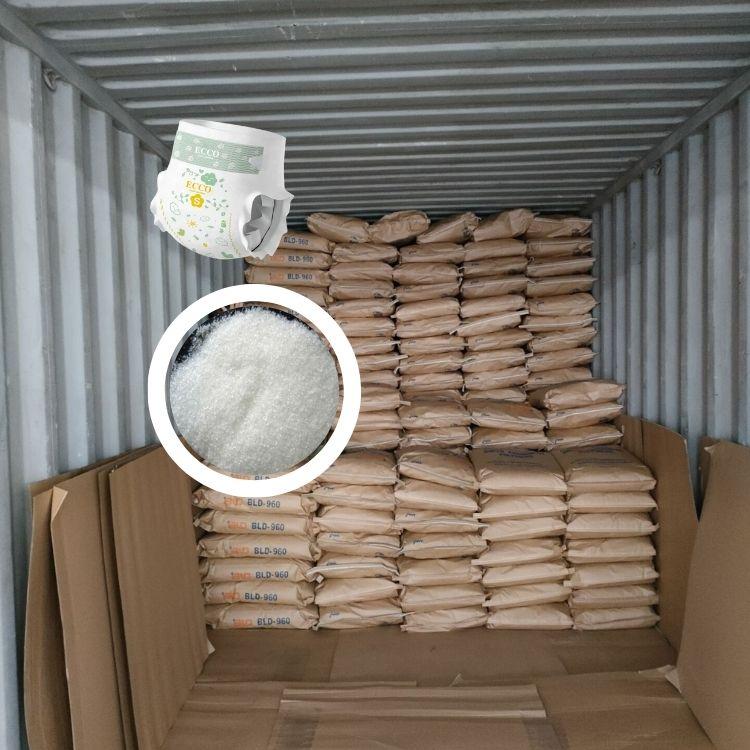
SAP is a particulate material, so particle size distribution and dust condition can affect handling, core formation and workplace cleanliness. Buyers should not judge SAP only by absorption numbers. A grade that looks strong in one lab indicator may still create process issues if particle size, dust or flow behavior does not match the factory's equipment and core design.
Particle size can influence how SAP distributes in the core and how it interacts with fluff pulp or carrier layers. Too much fine material may affect dust control and distribution consistency, while coarse particles may influence core feel or distribution depending on the design. The correct range depends on the product and process, so buyers should compare against their current approved baseline.
Handling checks should be recorded during sample trials. The factory can note feeding behavior, dust level, core distribution, equipment cleanliness and any process adjustment needed. These observations help purchasing and production teams decide whether a lower-priced grade is truly suitable for routine use.
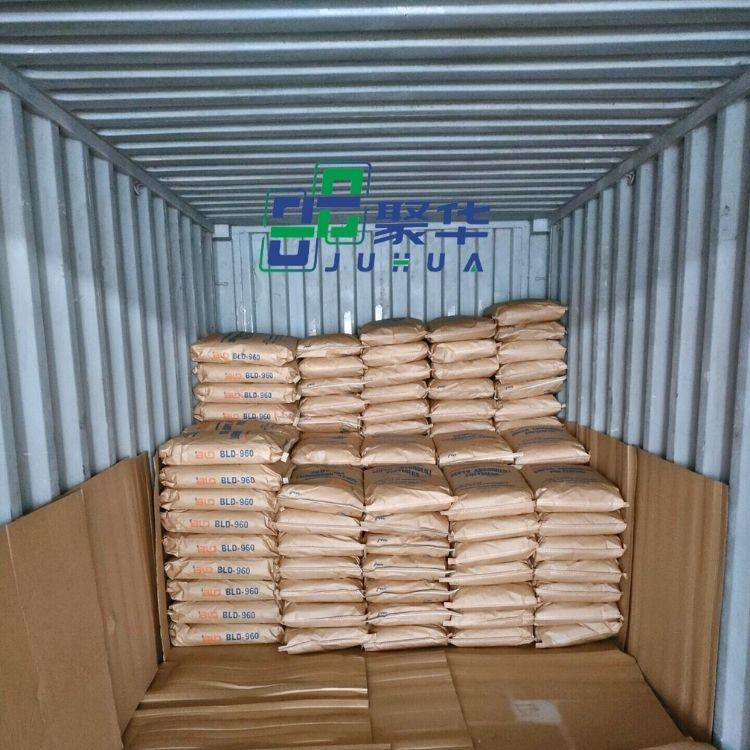
SAP is sensitive to moisture and contamination, so packaging and storage conditions matter. Buyers should check bag condition, sealing, pallet protection, batch label and storage instructions when receiving samples or bulk goods. If packaging is damaged or moisture exposure is suspected, the material should be handled according to the buyer's quality procedure before production use.
Moisture content can influence handling and test results. If one sample was stored under different conditions from another sample, the comparison may be unfair. Buyers should avoid leaving trial samples open or unlabeled, because later testing may no longer represent the original shipment condition.
For repeat orders, packaging consistency helps protect the approved material condition. The buyer should record the agreed packaging form and notify the supplier if transport damage, bag leakage, label mismatch or pallet contamination appears. These issues are part of material quality management, not only warehouse administration.
A structured checklist makes SAP comparison more reliable than a single value comparison. Buyers can use the following points before approving a grade or sending it to a production trial.
When buyers contact JUHUA SAP materials, the inquiry should include the intended product, target core design, current baseline if available, required test documents, sample quantity and trial purpose. This helps avoid vague comparisons and supports a more useful technical discussion.
A SAP sample trial should not start from a blank page. The buyer should first define the current approved grade or target benchmark. The new grade can then be tested against the baseline under the same product design, same sample size, same test method and same production conditions as much as possible.
The trial record should include the material grade, batch number, sample condition, storage time, core formula, production date, machine settings if recorded, and finished-product results. If the trial uses a changed core design at the same time as a changed SAP grade, the result may be difficult to interpret. One controlled change is easier to evaluate than several changes at once.
After the first trial, buyers should identify whether the new SAP needs more testing, process adjustment, supplier clarification or rejection. A promising lab result should still be confirmed in production and finished-product checks before bulk approval.
One common mistake is using the largest absorption value as the final purchasing decision. Without the test method and liquid condition, that value may not be comparable. A second mistake is assuming that SAP alone determines diaper capacity. Finished capacity depends on the whole absorbent core and product structure.
A third mistake is ignoring handling behavior. If SAP creates dust, distribution variation or feeding problems, the factory may lose any material price advantage through waste or unstable quality. Production observations should be part of the approval record.
A fourth mistake is approving a sample without keeping the batch and document link. If a successful trial is not connected to a specific sample, the next purchase may not repeat the same material condition. Good traceability protects both the buyer and supplier.
No. Higher absorption under one condition is not automatically better. Buyers should compare the test method, liquid, time and pressure condition, then confirm finished-product performance in the intended diaper design.
No. SAP data helps screen raw material performance, but finished diaper capacity depends on core design, fluff pulp or carrier structure, distribution, ADL, topsheet, backsheet and production quality. Finished-product testing is still required.
Values may differ because suppliers use different test liquids, methods, sample conditions, pressure levels, times or batch samples. The buyer should request comparable conditions before ranking grades.
A useful inquiry includes product type, core design, target performance issue, current baseline, requested test documents, sample quantity, packaging expectation and any trial constraints from production.
No. Laboratory data is important for screening, but SAP should also be checked through handling, core formation, finished-product testing and batch consistency before routine bulk purchase.
SAP grade comparison is reliable only when test conditions and application requirements are clear. Buyers should match the test liquid, method, pressure, time, sample condition, particle size, packaging and finished-product validation before choosing a grade. The strongest purchasing decision is not the grade with the biggest single number; it is the grade that performs consistently in the buyer's actual diaper or incontinence product design.

 MP/WhatsApp: +86-18050806553
 Manufacturer Address:Juhua Industry Matou Town, Nanan City Fujian Province China