

Hot Keyword:
Author:Baby & Adult Diaper Materials FROM:Diaper Materials Manufacturer TIME:2026-09-28
Breathable backsheet film test reports should be compared only when the material structure, test method, sample condition and quoted roll format are clear. For diaper and adult incontinence manufacturers, the most useful checks are not limited to one headline value such as breathability. Buyers should confirm whether the item is PE film, clothlike film or laminated backsheet, how water vapor transmission is tested, whether strength and leakage-related checks use the same conditions, and what is included in the quotation. This article explains how to compare backsheet film information before sample approval or bulk purchasing.
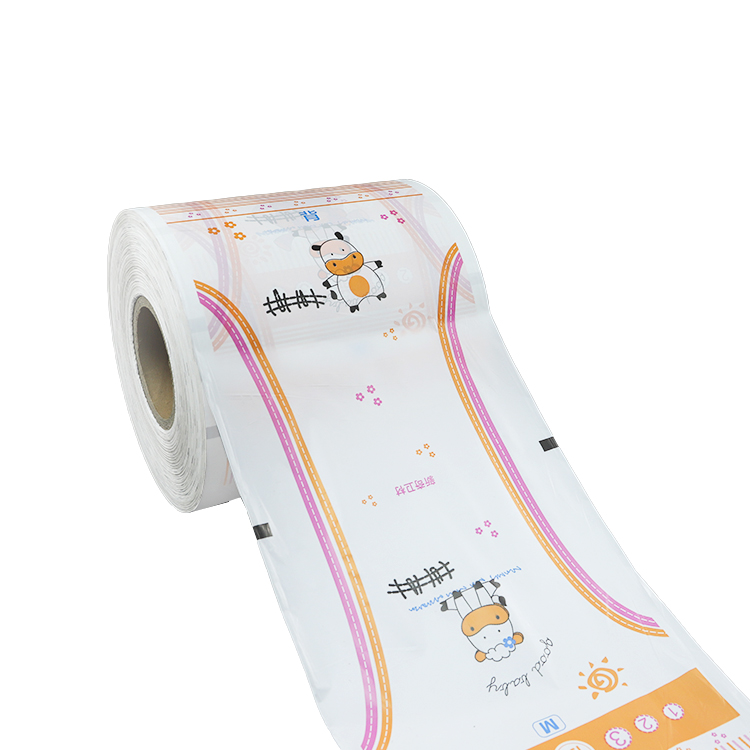
The backsheet is the outer barrier layer of a diaper or incontinence product. It helps protect clothing, bedding and packaging from liquid transfer, while the finished product still needs to feel acceptable for the intended user. In practice, buyers often receive several supplier quotations with different product names and test data. One offer may emphasize breathability, another may emphasize clothlike touch, and another may quote only roll width and GSM. These offers cannot be compared fairly unless the conditions behind the information are aligned.
A breathable backsheet film may be a PE film, a clothlike film, a laminated nonwoven film structure or another backsheet-related construction. These names describe different supply forms and surface experiences. A buyer should not assume that two materials with similar photos or similar wording have the same structure. The application position is similar, but the product design, lamination status, surface feel, strength and converting behavior may be different.
For this reason, a backsheet report should be read as a controlled document, not as a simple marketing sheet. The buyer needs to know which material was tested, which batch or sample was used, which method was followed, and whether the reported value is suitable for the intended diaper design. JUHUA's backsheet category includes materials such as breathable film and related backsheet materials; buyers should still confirm the exact item, roll format and test evidence for the product they plan to trial.
The first purchasing question is: what exactly is being quoted? A breathable PE film, a clothlike film and a laminated nonwoven backsheet may all appear under backsheet discussions, but they are not automatically interchangeable. A film-only material may have different handling and touch feel from a laminated structure. A clothlike surface can improve the perceived textile feel, but the buyer should still verify barrier behavior, strength, bonding compatibility and roll stability.
The material name should be consistent across the inquiry, quotation, sample label, technical data sheet, packing list and quality document. If the quotation says breathable film but the sample label says laminated nonwoven fabric, the buyer should ask for clarification before running a production trial. Otherwise, the trial may approve the wrong material or create confusion during repeat ordering.
Buyers should also clarify the intended product type. Baby diapers, adult briefs, pull-up pants and other hygiene products may use different backsheet widths, softness expectations, strength requirements and appearance standards. A material that works in one product design should not be copied into another design without checking the structure and finished-product validation requirements.
Breathability is often discussed through water vapor transmission or similar moisture vapor terms. These values can be useful, but they are only meaningful when the method, unit, temperature, humidity, sample side and sample condition are known. A value from one test condition should not be ranked directly against a value from a different condition. If the method or unit is missing, the buyer should treat the data as incomplete.
Breathability also does not replace leakage or barrier evaluation. A breathable film is expected to allow vapor transmission under defined conditions, but the finished product still needs to prevent liquid leakage under actual use. Barrier results depend on film properties, lamination, core design, elastic fit, cuff design, glue pattern and production quality. Buyers should avoid turning one material data point into a finished-diaper promise.
When comparing reports, ask whether the value is from the exact product grade and batch being offered. If a supplier provides a general company brochure with a broad performance range, the buyer should request product-specific information before approving the material. If the buyer needs a controlled specification for long-term supply, the acceptance range and test method should be written into the purchasing document.
Backsheet film purchasing often includes roll width, GSM or basis weight, thickness, roll length, core size and outside diameter. These items affect both material cost and production fit. Buyers should not use GSM and thickness as if they were the same measurement. A film's basis weight, thickness and structure are related, but they cannot be freely converted without knowing the material design and density assumptions.
Width should match the product design, side coverage and trim allowance. If a backsheet roll is too narrow, it may reduce coverage margin or cause visible alignment issues. If it is wider than needed, it may increase trim waste and cost. The purchasing team should confirm nominal width, tolerance and measurement points, especially when changing suppliers or moving from a sample roll to bulk rolls.
Roll format also matters. A roll with the right film specification but the wrong core, outside diameter or packing format can create handling problems. Before placing a bulk order, buyers should confirm whether the quoted roll format matches the factory's unwinder, storage condition, lifting method and changeover practice. These checks are simple, but they prevent many avoidable production interruptions.
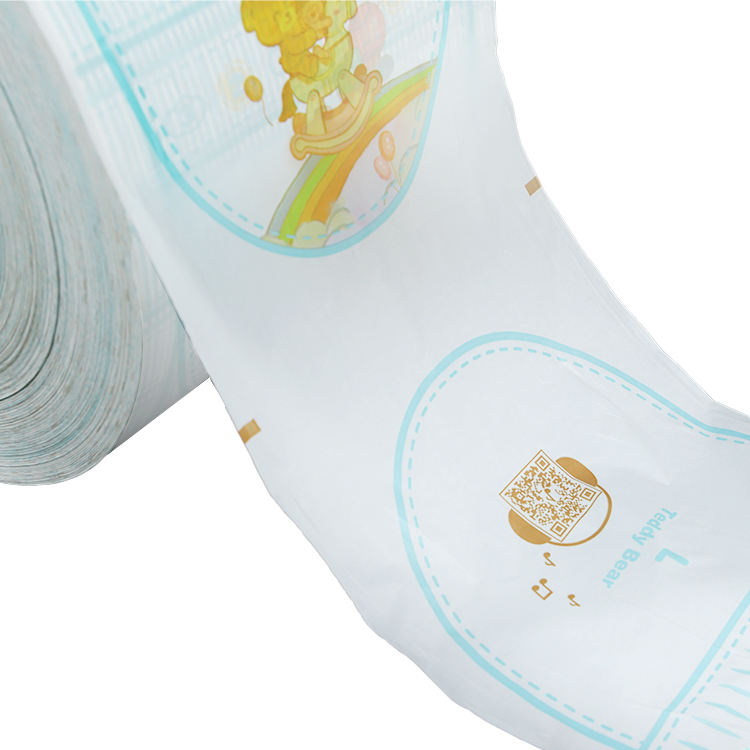
A backsheet material must survive converting steps such as unwinding, tension control, glue application, cutting and product folding. Strength data can help screen materials, but production behavior still needs a trial under the buyer's actual conditions. If the film wrinkles, stretches unevenly, tears at edges or responds poorly to tension, the issue may not be visible in a small lab sample.
For laminated backsheet materials, the bond between layers should also be checked. Buyers can ask how the lamination is described in the product document and whether any delamination-related checks are included in the supplier's quality process. The exact acceptance rule should come from agreed technical documents or trial records, not from a general assumption that all laminated materials behave the same.
Glue compatibility is another practical point. Hot melt glue type, application temperature, pattern, pressure and line speed may influence bonding results. A backsheet film that bonds well in one process may need adjustment in another process. Buyers should document the glue and machine conditions used during sample approval so that future changes can be judged against a known baseline.
A strong backsheet comparison uses a checklist, not one isolated performance value. The buyer should align the material structure, roll specification, test report, sample condition, packing scope and quotation basis before deciding which option is truly comparable.
This checklist also helps purchasing teams avoid false savings. A lower unit price may not reduce cost if the roll format causes more trim waste, production stops or rejected finished products. A higher price may be justified only when the material provides measurable value under the buyer's actual product design and quality rules.
Backsheet quotations should be compared on the same basis. The buyer should confirm the currency, pricing unit, net or gross weight basis, roll width, packing method, minimum order quantity if provided, freight terms, tax scope and quote validity. Without this information, two prices may look different even though they cover different supply conditions.
For roll goods, packing can influence both cost and quality. Moisture protection, outer wrapping, pallet condition and roll edge protection may matter during storage and transport. If the buyer is importing materials, shipping and handling conditions should be considered together with the raw material price. The article should not invent a market price range where no current quotation has been verified.
When requesting a quote from JUHUA backsheet materials, buyers can provide the target material structure, application, roll width, GSM or thickness requirement, expected sample quantity, packing preference and the test documents needed for internal approval. A clear inquiry helps the supplier respond with information that can be compared on equal terms.
Sample approval should connect lab information with real production use. A buyer can start with document screening, then check sample appearance, roll format and basic measurements. After that, the factory can arrange a converting trial according to its own quality procedure. The trial should record the exact material, roll label, batch, product size, machine condition and observed issues.
Finished-product checks remain important. Even if the backsheet material report looks acceptable, the finished diaper or incontinence product still needs validation for the buyer's internal performance and quality standards. This may include appearance, bonding, fit, leakage-related testing and packaging checks, depending on the product and market requirements.
After approval, repeat orders should be compared with the approved baseline. If the supplier changes film structure, lamination, GSM, width, roll format, packing or test document format, the buyer should decide whether controlled reapproval is needed. Good records reduce arguments when production issues appear months after the first sample trial.
One common mistake is ranking breathable backsheet materials by one reported vapor transmission value without checking the method. Another is assuming that a soft clothlike touch automatically means the barrier and production behavior will meet the same standard as the existing material. Buyers should separate comfort-related perception, material structure, barrier-related evidence and converting performance.
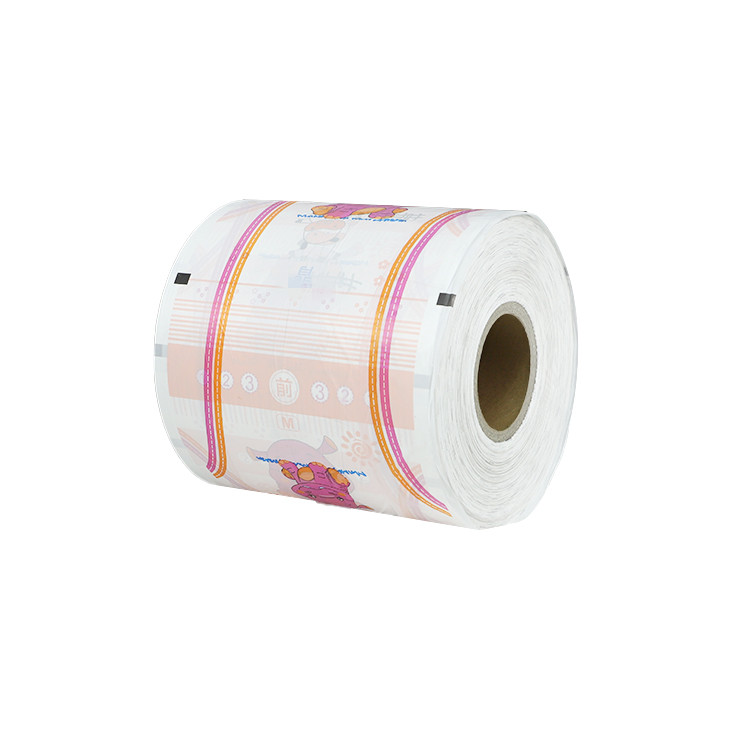
A second mistake is approving a flat sample while ignoring roll supply details. A hand sample can help the buyer feel the surface and check appearance, but it cannot prove roll winding quality, edge condition, splice rules or bulk packing stability. For roll goods, the supply format must be part of the approval.
A third mistake is using the supplier name as the only approval reference. If the factory says "approved supplier" but does not record the exact grade, batch, roll data and test document, repeat purchasing becomes risky. Material approval should be specific enough that another purchasing colleague can order the same item later without guessing.
No. Breathable film describes a vapor transmission function under defined conditions, while clothlike backsheet often refers to the surface feel or laminated appearance. Some products may combine both ideas, but buyers should confirm the exact structure before comparison.
No. Breathability data does not prove finished-product leakage performance. Leakage depends on the full diaper structure, absorbent core, fit, cuff design, glue application and production consistency. Finished-product testing is still required.
Both can matter, but they should be read as separate specifications. GSM helps compare basis weight and cost assumptions, while thickness may influence feel, handling and structure. Buyers should not convert one into the other without proper material information.
A useful request includes the intended product type, target structure, roll width, GSM or thickness requirement, sample quantity, expected test documents, packing preference and any converting issues from the current material.
The structure, width, GSM, lamination, packing, order quantity, freight terms and testing scope may be different. Buyers should align these conditions before deciding which quotation is actually lower in use.
Breathable backsheet film should be evaluated through matched conditions, not through one attractive data point. Buyers should confirm material structure, breathability test method, roll specification, converting behavior, quotation scope and finished-product validation before approving a sample or bulk order. When these details are recorded clearly, purchasing teams can compare suppliers more fairly and reduce avoidable risk in diaper and incontinence product production.

 MP/WhatsApp: +86-18050806553
 Manufacturer Address:Juhua Industry Matou Town, Nanan City Fujian Province China