

Hot Keyword:
Author:Baby & Adult Diaper Materials FROM:Diaper Materials Manufacturer TIME:2026-04-08
For diaper brands, OEM factories, and importers, selecting the right supplier is one of the most important decisions in the supply chain.
Diaper performance depends heavily on raw materials such as super absorbent polymer (SAP), fluff pulp, nonwoven fabrics, and ADL layers. Poor-quality materials can lead to leakage, skin irritation, and inconsistent product performance, which directly affects brand reputation.
A reliable supplier not only ensures product quality but also provides stable supply, technical support, and long-term cost advantages.

Before selecting a supplier, buyers need to clearly understand the key raw materials used in diaper production, including:
· Super Absorbent Polymer (SAP)
· Fluff Pulp
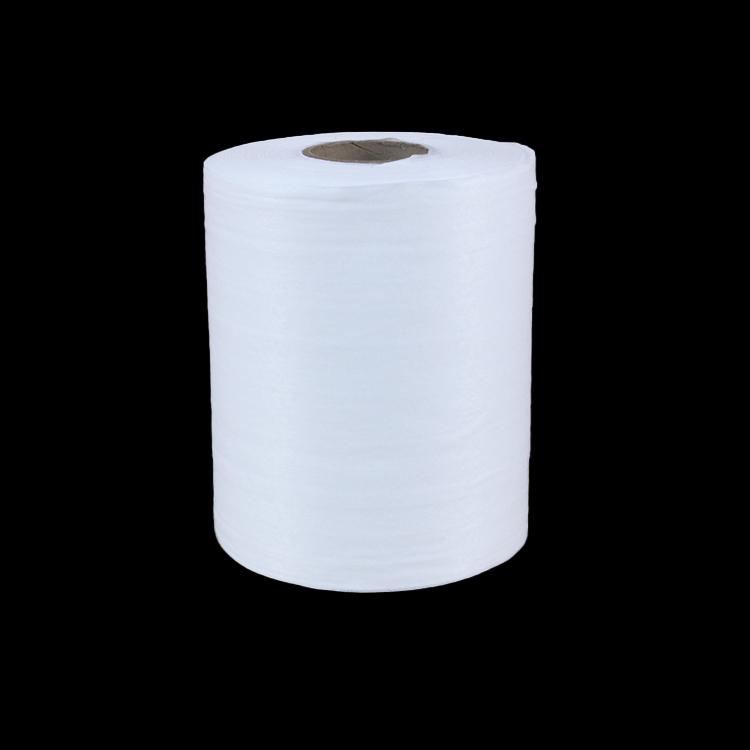
· Nonwoven Fabrics
· Acquisition & Distribution Layer (ADL)
· Breathable Back Sheet Film
· Hot Melt Adhesive
· Elastic Materials
Each material plays a different role in absorption, comfort, and structure. Many buyers prefer working with suppliers who can provide multiple core materials to simplify procurement.
Choosing the right supplier requires evaluating several critical factors.
Quality is the first priority. Buyers should check:
· Absorption performance of SAP
· Fiber quality of fluff pulp
· Softness and strength of nonwoven fabrics
· Stability across production batches
Consistent quality is essential for maintaining stable diaper performance.
For international markets, especially Europe and the United States, materials must meet strict standards such as:
· ISO quality systems
· SGS testing
· MSDS / TDS documentation
· REACH and RoHS compliance
· FDA requirements
Suppliers should be able to provide complete documentation for export and customs clearance.

A reliable supplier must have:
· Stable production lines
· Ability to handle large-volume orders
· Consistent lead times
Supply disruptions can directly affect your production schedule and customer delivery.
Different diaper brands require different specifications. A good supplier should support:
· Customized SAP ratios
· Different material thickness or GSM
· Product performance adjustments
Customization helps brands create differentiated products in competitive markets.
Experienced suppliers understand international trade and can provide:
· FOB, CIF, or DDP shipping options
· Proper export documentation
· Efficient logistics coordination
This reduces risks and simplifies the procurement process for overseas buyers.

Many buyers face the choice between working with a manufacturer or a trading company.
Manufacturers offer:
· More competitive pricing
· Direct quality control
· Better customization
· Stable long-term cooperation
Trading companies offer:
· Wider product sourcing
· Easier communication in some cases
For long-term cooperation and cost control, most diaper brands prefer working directly with manufacturers.
When sourcing diaper raw materials, buyers often make these mistakes:
· Choosing suppliers based only on low price
· Ignoring batch-to-batch consistency
· Not verifying certifications
· Overlooking logistics capabilities
· Working with unstable suppliers
Avoiding these mistakes can significantly reduce procurement risks.
A diaper importer in South America faced frequent issues with inconsistent material quality and delayed shipments from multiple suppliers.
After switching to a direct raw material manufacturer, the company achieved:
· Stable product quality
· Improved absorption performance
· On-time delivery
· Reduced overall procurement cost
This allowed the brand to expand its market share and improve customer satisfaction.
Choosing the right diaper raw material supplier is not just about price—it is about quality, reliability, and long-term partnership.
For importers, OEM factories, and private-label brands, working with an experienced and reliable supplier ensures:
· Consistent product performance
· Stable supply chain
· Better cost control
· Stronger market competitiveness

 MP/WhatsApp: +86-18050806553
 Manufacturer Address:Juhua Industry Matou Town, Nanan City Fujian Province China